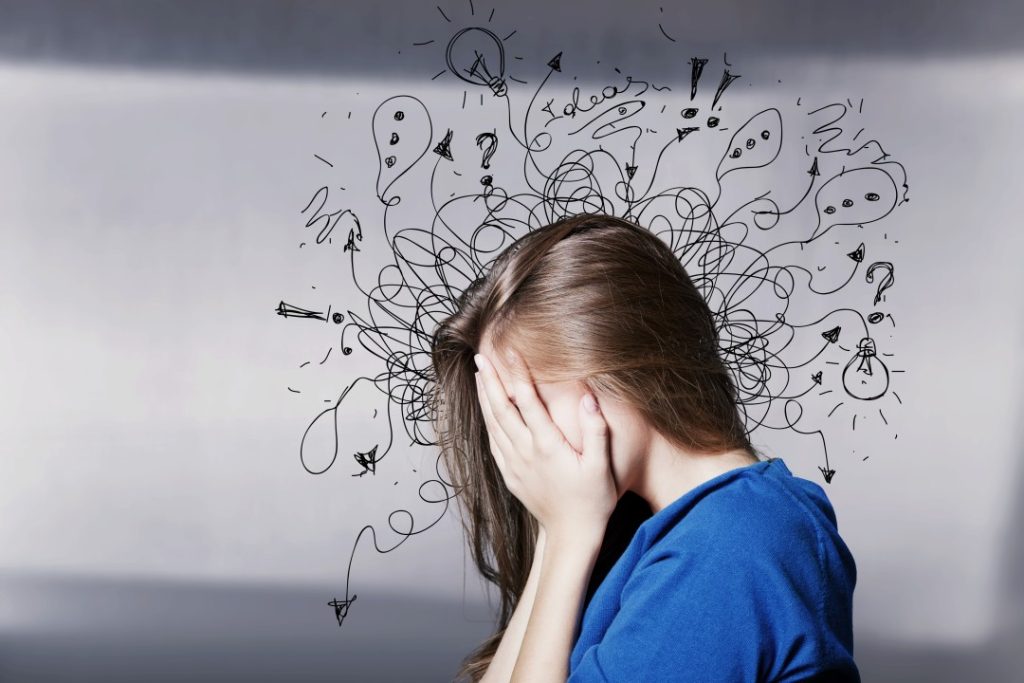
In the process of building strong bonds in life, there is one component that is very commonly overlooked. This is called neediness. Although it is true that sometimes in life people need love and validation. However, when you have too much neediness in your life, this can create issues in your relationship. It leads to a feeling of emptiness in both individuals.
What is Neediness?
Neediness can be very incorrectly understood. Neediness goes beyond the need for attention. It is the tendency to depend on others in order to have one’s emotional needs met. Neediness can be the experience of feeling anxious when away from the partner or best friends, in addition to the necessity to get reassurance, and the fear of rejection.
A possible synonym for neediness might be clinginess or the necessity to be dependent on others. These two words refer to the behavior, but not to the emotional issues attached to the behavior, such as the fear of being abandoned and the deficit of trust in oneself. Neediness is not personal, it is almost always related to the specific situation.
Signs of Neediness in Relationships
Recognizing and pinpointing neediness in friendships or romantic partnerships can be far from labeling someone else in the relationship as the problematic individual. It is recognizing patterns of behavior in yourself or in the relationship itself, which can inhibit elements of respect and emotional development.
Some signs of such behaviors can include needing to reassure oneself of the relationship itself, along with finding yourself needing to have communication with your partner in which you call, text, or message repeatedly. Moreover, you may have the fear of being abandoned.
Being overly reliant upon a relationship or intimate or friendly connection for happiness and fulfillment can also be a sign of neediness. Additionally, you may not take steps for yourself for the greater good in your life. It can also lead to recognition of neediness, in addition to being unable or feeling unable to be alone.
Why Neediness Develops
Identifying the root causes of neediness can go a long way in tackling the issue efficiently. It can be a result of an emotional insecurity or a fear of abandonment. Neediness can greatly affect the manner in which a person searches for validation or attempts to connect with someone or something. Some of the reasons for the need for neediness are given as:
Low Self-Esteem
Individuals with low self-esteem always doubt themselves and are not confident about their decisions. Such people require external validations, either from friends, family, or loved ones. They require constant confirmation of themselves.
Healing from the Past Traumas and Abandonment
Childhood trauma impacts children’s health, leading to long-term mental issues later in life. The fear af rejection in the past or being neglected by the loved and close ones may develop a sense of abandonment. This lifetime trauma may lead to neediness and dependency.
Difficulty in Managing Emotions
Some individuals may not control their emotions. In some cases, they may over exaggerate the emotional responses, and on the other hand, sometimes they suppress their emotions. It led to neediness. An individual needs someone to rely on. When these emotions are not managed well, the person feel the desire of neediness. This neediness impacts both women’s and men’s health by influencing their emotional stability and mental peace.
Relationship Dynamics
When one person in the relationship spends the time consoling the other in unhealthy ways, the relationship may end up fueling the neediness. It impacts the relationship dynamics.
How to Overcome Neediness
Dealing with neediness takes time, but anyone can learn to become more emotionally independent, yet still have friendly and wholesome relationships with other people. They can do this by gaining increased awareness of themselves, improving their self-esteem, controlling their emotions, and building positive boundaries around themselves. These measures are explained as:
Encourage Independence
It increases emotional strength. It means being emotionally stable and feeling complete as a person. Doing whatever hobbies you want, networking, or taking care of yourself is what will help you love your relationships. But remember, never need relationships for your happiness or sense of identity.
Unlock Self-Awareness
You should be aware of your thoughts and ideas and try to understand them, without criticizing yourself. It is essential to observe your behaviour when you are anxious or when you need someone else’s reassurance. This helps you understand yourself better. Moreover, you may write your thoughts and ideas in a journal so you can understand better how you think and react to specific situations.
Set Healthy Boundaries
Healthy boundaries encourage equal relationships by maintaining individuality. Establishing boundaries on unnecessary communication and improper usage of the other person’s time would be a good start in avoiding overloading the other person, and most importantly, yourself. Boundaries in relationships must be a constant reminder of the value of trust and cooperation.
Develop Emotional Resilience
Mindfulness, meditation, and breathing techniques can calm your thoughts and reduce your anxiety. You can have therapy and counselling sessions with your therapist. It will help you learn and understand more about yourself.
Build Self-Esteem
When a person starts valuing themselves, they do not require validation from others. You can practice some confidence enhancement strategies, such as celebrating small achievements, setting personal goals, and achieving them wholeheartedly. Daily affirmations are also a good source of enhancing self-esteem. These activities make you feel motivated and reinforce your sense of self-worth.
Navigating Friendships that Require Too Much
Dealing with needy friends is always a challenging task to perform because it needs to be empathetic and clear in communication. Dealing with needy friends is not an easy task because you should maintain the right balance between being accommodating and empathetic towards friends and being clear in communications.
You should be accommodating towards the needy friends, but never forget to give them space to make their lives independent. If their neediness is the result of their emotional issues or disturbed mental health, you should advise them to see professionals.
Advantages of Overcoming Neediness
In overcoming neediness, real growth of personality and relationships can be achieved. Where emotional dependence shrinks, relationships become much healthier and are based on mutual trust, respect, and enjoyment rather than anxiety or fear of loss. Greater self-confidence develops as individuals rely more on their own sense of worth rather than on the approval of others.
Emotional stability also improves in the way that it becomes easier to cope with stress and uncertainty. More importantly, relationships become much more genuine and equal since both individuals can participate freely and confidently.
Conclusion
Neediness is not an issue. It is an indicator that there is an emotional growth required. With the ability to identify reasons for neediness, you will be able to develop better, happier relationships. Letting go of neediness takes time. However, by focusing on this, you are able to change your relationships from the fearful types towards the meaningful ones.
Furthermore, once you continue focusing on your emotional completeness, your life will be richer. Your relationships will be able to satisfy your needs since you will be complete on your own, which is a requirement of happiness. Healthvore blogs promote a healthy living, with a happier relationship that supports and encourages your mental well-being.
FAQs About Overcoming Neediness
What is neediness in relationships?
Neediness can be defined as the condition of being overly dependent on a friend or even a loved one to gain some sort of validation or self-worth from them. Neediness may present itself in the form of clinginess.
Why Do People Become Needy?
IN a relationship, people become needy as a consequence of low self-esteem, trauma, the fear of being abandoned, or the inability to cope effectively with emotions. The person looks to the other to help feel more stable and in control of the environment.
Is Neediness Always Bad in Relationships?
No. There are occasions when relationships are expected to be supportive or reassuring in nature. It becomes a problem only if it overpowers the above relationship and thereby hampers further enhancement.
Can therapy be helpful with neediness?
Definitely, it does. Therapies offer solutions to deal with anxiety, boost self-esteem, and overcome an unhealthy dependence in a relationship.
Is neediness in a relationship and insecurity the same?
No, these are not the same, but they do influence each other. Neediness mainly focuses on the behavioural changes and influences, whereas insecurity is the self-doubt about self-worth.