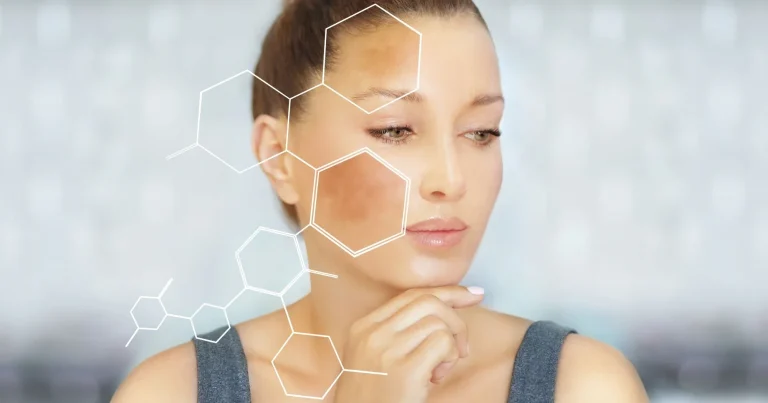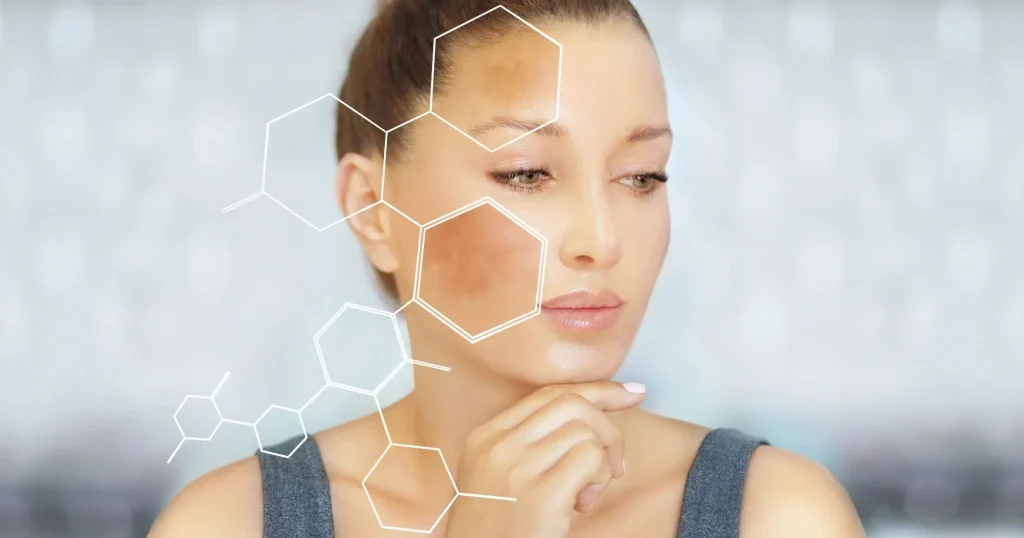
Melasma is a common yet frustrating condition that falls under the category of diseases and conditions affecting skin pigmentation and its overall appearance. It appears as dark patches, usually on the cheeks, forehead, upper lip, and jawline. Sun exposure is one of the strongest triggers causing melasma. Some other factors as hormonal changes and genetics, can play their part in melasma formation. So, melasma sun protection should be a priority for anyone dealing with such skin conditions.
This skin condition is a great concern in beauty and skincare routines, especially for women. It impacts overall appearance and personality of a person. So, preventing such skin disorders is necessary. The following are some of the preventive measures to protect yourself from melasma development:
Protect Your Skin with Daily Broad-Spectrum SPF
A broad-spectrum formula protects against both UVA and UVB rays. UVA rays penetrate deeply into the skin and contribute to long-term pigmentation of the skin, whereas UVB radiations burn and damages the skin surface. To prevent such skin damage and skin burn, you can use SPF 30 or higher or better melasma sun protection. Use of sunscreen regularly is essential for both men’s and women’s health, affecting their overall appearance.
Apply the Correct Amount and Reapply Consistently
Using an appropriate amount of sunscreen is necessary. Using a very small amount of sunscreen reduces its protective benefit. Adults can use a coin-sized amount of sunscreen for the face. You should not forget the areas such as the hairline, eyelids, and sides of the nose while applying the melasma sun protection sunscreen.
Reapplying sunscreen after every two hours is good when you are in an outdoor setting. Applying sunscreen immediately after sweating is important. People who engage in regular fitness and exercise regimens, especially in outdoor activities, should be extra mindful of reapplication of their melasma sun protection sunscreen. Additionally, sweat and friction can reduce the coverage of the cream and increase the risk of skin darkening. So, developing a proper melasma sun protection routine is important.
Enhanced Sunscreen Mineral Formulas
Exposure to excessive sunlight and visible light can be a reason for melasma development. So, mineral sunscreens containing zinc oxide or titanium dioxide provide great protection to the skin by strengthening the skin barrier and enhancing melasma sun protection.
The sunscreens containing iron oxides can act as a defensive agent against the visible light, protecting your skin from discoloration and enhancing melasma sun protection overall. It also strengthens the skin barrier. Light-tinted mineral-based sunscreens are preferred. It is because such sunscreens provide an even tone to the skin, along with protecting the skin barrier.
Wear Protective Clothing and Accessories
Sunscreen works best when it is paired with physical protection as well. Sunglasses can be used to protect the delicate skin around the eyes, where pigmentation can appear. When you have extended outdoor periods, you can choose tightly woven fabrics to protect your skin underneath.
Protective clothing reduces exposure to the sunlight and heat, protecting your skin from sun damage. It provides the basis for melasma sun protection. These habits also encourage positive self-care routines in children and support children’s health in the long run by providing them a basis of self-care in early age.
Avoid Peak Sun Hours When Possible
When there are peak sun hours, you should avoid going outdoors, especially in hot environments. The ultraviolet radiations are the strongest between late mornings and mid-afternoons. During these hours, pigment-producing cells in the body can easily be stimulated. So, the outdoor exposures should be avoided for melasma sun protection.
Protect Your Skin Every Season
Melasma requires consistent care throughout the year. As the UV radiations are present year-round, due to the sun. In winter, water or snow reflects the ultraviolet rays as being the reflective surface. It enhances the chances of UV radiation exposure, enhancing the risk of melasma. So, applying sunscreen is also important in winters yet necessary in summer for melasma sun protection.
Avoid Peak Sun Hours When Possible
When there are peak sun hours, you should avoid going outdoors, especially in hot environments. It is essential for melasma sun protection. The ultraviolet radiations are the strongest between late mornings and mid-afternoons. During these hours, pigment-producing cells in the body can easily be stimulated. So, the outdoor exposures should be avoided.
Conclusion
Melasma management requires a preventive approach to sun protection. Awareness of the condition and measures taken for its prevention plays a role in managing this skin disorder. Sun exposure is the main reason for skin pigmentation, leading to an impact on overall skin appearance. By taking the safety precautionary measures, melasma can be prevented.
Further, you can visit Healthvore for more such beauty and skincare blog posts. We aim to guide our readers with practical information tips to empower healthy lifestyle choices for better melasma sun protection.
Frequently Asked Questions (FAQs) About Melasma Sun Protection
What is the main cause of melasma flare-ups?
A melasma flare-up is commonly due to excessive sun exposure that leads to the formation of dark patches on the skin. It is triggered by heat, especially from sunlight. Ultraviolet radiation and visible light also contribute to the formation of melasma.
Is SPF 30 enough for reducing melasma?
Usually, dermatologists recommend that individuals with melasma use 50 SPF formula creams for enhanced melasma sun protection. However, SPF 30 can also be used for a milder skin sun protection. SPF 50 is good when you have prolonged sun exposure hours in a day.
Do I need sunscreen even when I am indoors?
Yes, you do so. It is because the UVA radiation from sunlight may pass through your window glass and reach inside the room, affecting your skin. Or some people like to sit in sunlight, close to nature, even indoors, so they do require a good sunscreen even indoors for better melasma sun protection.
Can heat alone worsen melasma?
For sure, it can. Heat can worsen melasma as it enhances the inflammation and swelling of the skin. Even if your skin is not directly exposed to sunlight, but in an environment that is hot, it can lead to melasma. Cooking over high heat and intense outdoor activities may also contribute to the formation of melasma.
Is melasma only a concern for women?
No, melasma is only a concern for women, it do effects men’s health also, as it does for women’s health. The risk of developing melasma in women is higher than in men.