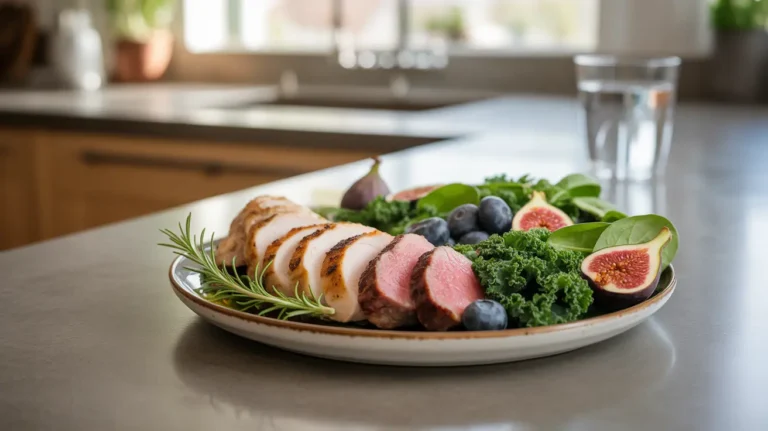
High Fiber Foods for Salads are rich source of nutrition that keeps you full for a longer time. You can include fibers in your diet with slight changes in your food choices. Understanding the importance and sources of fiber will help you improve your diet and nutrition. It will positively impact your health. It will help you to maintain your weight and enhance your overall well-being.
Importance of a High Fiber Foods for Salads
Fiber is an essential nutrient for a balanced nutrition and diet. It promotes a healthy, balanced diet that contributes to health maintenance and weight management. The following are some key importance high fiber foods for salads of fiber intake in your diet. You should have a note of it. These are given as:
Helps in Weight Management
High fiber foods for salads are light to have and are digested slowly in the body. It keeps you full throughout the day and helps to prevent overeating. It helps to lose weight fast and effectively. High fiber foods for salads intake helps to regulate metabolism and contributes to weight management.
Females and males following a fitness routine prefer to have fiber in their diet because it helps to maintain their health. They feel light, happy, and healthy. So, having high fiber foods for salads in the diet helps to promote men’s and women’s health.
Reduces the Risk of Health Conditions
Many health professionals recommend fiber intake in your diet, as it reduces the risk of serious health diseases and conditions like stroke, heart attack, and high blood pressure. It lessens the chances of type 2 diabetes and high cholesterol. All these factors play an important role in improving health and preventing disease progression in the body.
Improves Digestion
High fiber foods for salads intake helps to nourish bacteria in the microbiome. That increases the digestion and eases the process of excretion from the body. While taking a high fiber diet, it is important to have a good water intake, as it helps in fiber digestion. Moreover, it reduces the chances of GI disturbances like constipation. Fibers help to improve digestion, which in turn reduces gas and bloating.
Reduces Blood Sugars
Fiber has a low glycemic index that helps carbs in the bloodstream to be digested slowly. Fibers reduce the glucose spike in the blood, which makes it quite beneficial for people with type 2 diabetes. It helps to reduce the sugar levels in the blood and maintain a healthy diabetic chart for people with the disease.
Improve Metabolic Health
A diet rich in fiber lowers the cholesterol levels in the blood. It allows the blood to flow smoothly through the vessels and reduces the risk of plaque accumulation in the walls of arteries. It helps improve cardiovascular and metabolic health.
Improves Mental Health
Our gut is connected to our brain through the gut-brain axis. If you have a good, nutritious and healthy diet, it not only improves your gut health but also promotes your mental health. It helps reduce the overall stress in the body and calms the anxiety. A good diet helps release serotonin, a happy hormone in the body, that instantly makes your mood good and supports your emotional well-being.
Salads as a Source of Fiber
Many nutritionists state that high fiber foods for salads are a rich source of fibers. Salads contain different fruits and vegetables. These have digestive properties that reduce bloating, gas, and other gastrointestinal issues. Salads contain soluble and insoluble fibers.
Soluble fibers form a gel in the stomach and slows down the digestion. Whereas, insoluble fibers help to improve bowel movement. High fiber foods for salads provide you with fiber that helps improve metabolic health and reduce cholesterol levels in the body. It increases satiety and helps in weight management.
Ways to Include High Fiber Foods for Salads
A healthy diet such as high fiber foods for salads contain fiber helps to reduce blood sugar and blood cholesterol levels. These diets maintain the glucose spikes in the blood and lower the risk of heart disease. There are several ways to include fiber in your diet. Choose according to your dietary choices. Some of these are given below:
Daily Salad Planning
Planning your salad meal early will help you decide what to have. Many people says that meal prepping helps them a lot. It fulfills all the nutritional needs and dietary requirements. Salads containing different green vegetables, non-starchy vegetables, and fruits help to have a bowel full of nutrition.
You can add some proteins and nuts in them. It will taste better, and the nutritional value of the diet will also be increased. Salads will help you have good gut and metabolic health.
Replacement of Starchy Foods
The people who are trying to include fiber in their diet should replace starchy foods like wheat or white pasta with whole-grain items such as whole-grain pasta. It will help them to remove starch from their diet. And manage their weight and health easily.
Replacement of White Flour
Replacing white flour with multigrain flour will help you lower your blood sugar. It will contribute to better health and maintain overall well-being.
Including High Fiber Foods in the Diet
Eating fiber-rich foods along with other micro and macronutrients helps fulfill the nutritional needs of the body. Some of these fiber-rich foods are given below. If you add these foods to your salads, it will help you improve your gut health.
These are given as:
Whole Grains: Foods like barley, oats, and brown rice improve digestion by reducing the digestive rate and improving metabolism. It helps to prevent the risk of stroke and other health conditions. The body slowly absorbs the nutrients from the gut and provides long-term energy.
Leafy Greens and Vegetables: Many dark green vegetables like spinach, broccoli, and kale are rich in fiber. These have phytonutrients in them. It helps to protect the body against diseases. Moreover, vegetables like potatoes, celery, and romaine can also be a good option to have as a source of fiber.
Fruits: Avocado, berries, kiwi, and oranges are fruits rich in nutrients like vitamins and minerals. These help to stabilize blood sugars and improve digestive health by preventing constipation.
Legumes: Beans, lentils, and peas are rich in fiber and other micronutrients. These help regulate blood sugars and lower cholesterol. These are light to have and keep you full for a longer time. It avoids overeating and helps in weight maintenance.
Seeds and Nuts: These are highly rich in antioxidants and good fats that help to support the immune system. These seeds and nuts contain omega-3 fatty acids that provide you with energy for a long time and are good for heart and lung health. Chia seeds are fiber-rich nutrients. These seeds help to improve digestion. Pumpkin and sunflower seeds are also full of nutrition. Nuts like walnuts and almonds are rich in vitamins, magnesium, and fiber. It provides complete nutrition and improves heart health. These help to reduce inflammation and oxidative stress, if present in the body.
High-Protein Food: Adding eggs, dairy, lean meat, etc, foods rich in protein, with a fiber-rich diet, helps maintain good gut health. It keeps you full throughout the day and supports your gut muscle health by reducing appetite and improving metabolism.
Fiber Supplements
Some people may feel the need to take fiber supplements in their diet. Psyllium and methylcellulose are common fiber supplements that fulfill the nutritional needs. As a matter of fact, you should have a proper fiber-rich diet, but if you do not like it or can not have it, you can go for the fiber supplements. Otherwise, take a nutrient-rich diet.
Other Considerations
You can include high fiber foods in your diet by having them as a side. You can have vegetable sides and unpeeled, steamed potatoes as a side dish of your meal. Additionally, you can snack on popcorn. They have a good amount of fiber in them.
Moreover, you can have high fiber-rich food dishes like roasted sweet potatoes and corn casserole. These dishes have a high fiber content. These taste well and digest well.
High Fiber Foods for Salads for Infants and Babies
High fiber food for infants may include mashed fruits and vegetables. Infants can not chew food in the early stages of life, so it is important for parents to give them soft foods for soft stools. It helps them prevent gastric discomfort like constipation.
You can give your babies prunes and pears in mashed form. These are good for them and easily digestible. Furthermore, avoid giving bananas and rice cereal, especially to your baby, as they are not properly digestible by their small stomach and can cause constipation or diarrhea.
Conclusion
Including a fiber-rich salad in your daily routine is one of the simplest and easiest ways to improve your overall body health. Fibers lower your blood sugars and cholesterol levels in the bloodstream, which helps to maintain a good, healthy lifestyle. Fiber-rich salads are a wholesome meal for the person aiming to maintain their weight and support health and nutrition.
Healthvore provides you with a comprehensive guide on fiber-rich foods included in your daily diet in salads and sides of a meal. Simple Changes in food habits can help you lead a healthy and disease-free life.
FAQs
What is Dietary Fiber?
Dietary fibers are a form of carbohydrate that are mainly found in plant-based products. These fibers are high in nutrients that help maintain a healthy heart by lowering the risk of high blood pressure and high cholesterol. These dietary fibers help to maintain gut health and metabolic health.
What are the Best High-Fiber Vegetables for Salads?
Mainly, dark green vegetables are a high source of fiber. Vegetables like kale, spinach, nd broccoli are rich in fiber. You can also have carrots, cauliflower, and corn for fiber-rich salads.
What are Soluble and Insoluble Fibers?
Soluble fibers are soluble in water and form a gel that helps to reduce cholesterol levels and slow the digestion process. This helps to reduce the blood sugar spikes in the blood. It is found in oats, beans, and fruits.
Insoluble fibers do not dissolve in water and help to improve the bowel movement of the GI system. It is found in vegetables and whole grains.
Which Type of Fiber is Better for Digestion?
Both fibers are good for digestion. It is because soluble fibers feed the gut bacteria that lower the cholesterol levels and slow down the digestion process. Slowing down of digestion helps in the absorption of nutrients.
On the other hand, insoluble fibers improve bowel regularity, which tends to reduce the risk of constipation and supports overall gut balance.
Is Having Salads Enough to Meet the Daily Fiber Requirement of the Day?
For sure it does. Salads contain vegetables, fruits, seeds, nuts, and much more. These help to provide a person with a power-packed energy meal that is light on the stomach but improves health heavily. A person can have salads as their daily routine without monotony.